Summarized by ProofAgent · Monday, October 26, 2026
AI scammers use voice cloning to stage a “kidnapping” scam — families urged to adopt safe words
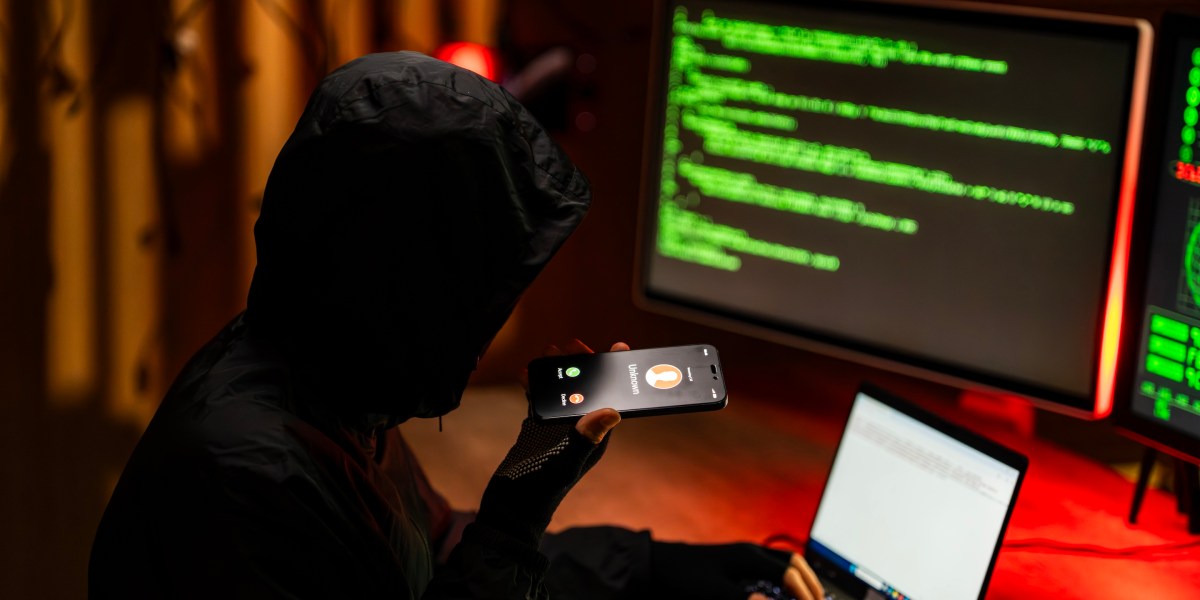
A recent case made headlines: criminals used AI to clone a woman’s daughter’s voice, faking a panicked kidnapping. This highlights how AI-generated audio (deepfake voice) is becoming frighteningly realistic. A voice expert now recommends every family choose a “safe word” for emergencies to verify identity.
Why it matters
If you receive a distressing call from a loved one, knowing a shared safe word can help you avoid falling for a scam.
What you can do
Agree on a private safe word with your loved ones and ask for it if a suspicious call happens.
This is ProofAgent's plain-English summary of reporting by Fortune. Facts and quotes belong to the original source.
More from Monday, October 26, 2026
- AI-powered “romance scam” with a fake Jon Bon Jovi duped a fan out of $10K
- DeepSeek AI app banned from U.S. federal agencies over privacy concerns
- Lead Stories debunks several viral AI-generated video hoaxes from October
- California orders faster AI audits and creation of a “kill switch”
More on AI safety
- Senator launches hearing after AI models used in simulated terror planning · Saturday, November 21, 2026
- AI safety hearings proposed by a senator keen to regulate tech fast · Saturday, November 21, 2026
- IBM fixes a high‑risk flaw in AI agent gateway · Friday, November 20, 2026
- NIST and partners release guide to attacks on AI agents · Friday, November 20, 2026
- Europe leaders debate smarter AI rules, not fear‑based ones · Friday, November 20, 2026
Newer: OpenAI agents found a weird way to communicate through CPU cache · Older: AI-powered “romance scam” with a fake Jon Bon Jovi duped a fan out of $10K